- Craft cocktails differ from regular drinks in care, ingredients, and technique — every step is a decision, not a default.
- Regional ingredients give KL’s cocktail scene a flavour identity rooted in place: tuak, gula Melaka, kantan, and pandan do what imported spirits alone cannot.
- Structure, acidity, sweetness, dilution, aroma, and finish are composed as one, not assembled under pressure.
- Consistency is the quiet measure of a serious bar — holding the same drink to the same standard across nights and shifts.
- KL’s bars are raising that standard through sustainability-led menus, storytelling, and spaces built for slower, more deliberate drinking.
A drink can be a habit, or it can be a moment. Most bars deliver the first without thinking about it. A few are built around the second — spaces where every step from ingredient to glass is treated as a decision rather than a default, and where the experience is felt before it is named.
That is where craft cocktails stand apart from regular drinks. The difference is not about looking impressive. It is about intention in every detail, from what goes into the glass to how the night takes shape around it. In KL’s cocktail bar scene, guests are noticing — what is in the drink, how it was made, and whether the rest of the experience meets the same standard.
What Defines a Craft Beverage in KL’s Cocktail Bar Scene?
What Goes into the Glass — Ingredients That Matter
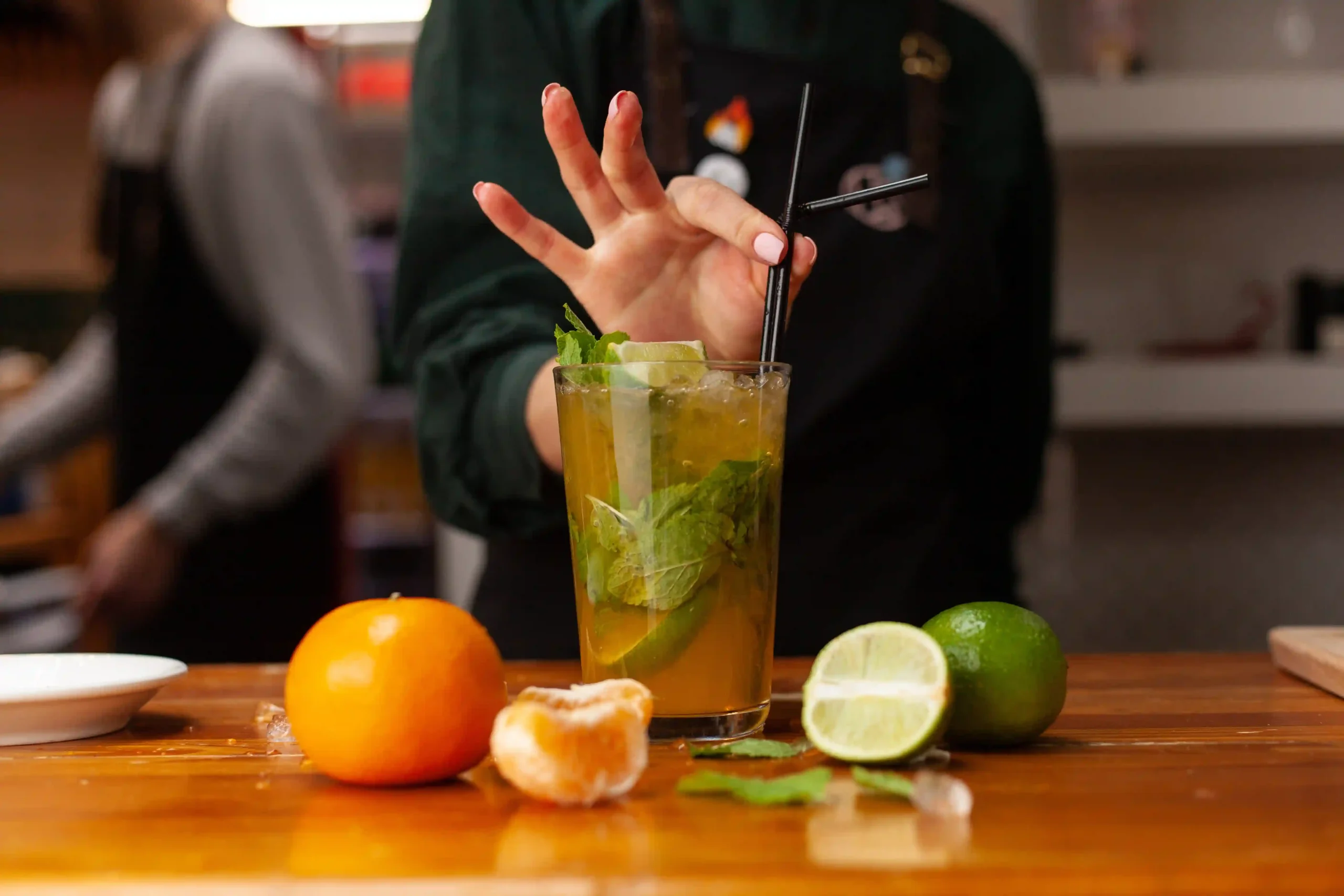
The first thing that separates a craft cocktail from a regular drink is what goes into the glass. Standard pours lean on commercial mixers, pre-batched syrups, and bottled juices made for shelf life over flavour. A craft drink starts further back, with fresh citrus, house-made cordials, and spirits chosen for character rather than recognition.
Regional ingredients matter too. Tuak, langkau, gula Melaka, kantan, asam boi, and pandan give KL’s craft scene a flavour identity that imported ingredients alone cannot reach. Used well, the drink tastes like where it was made.
Why Does Precision Change Everything in Cocktail Technique?
Technique is where craft separates from habit. Dilution, temperature, stirring time, shaking rhythm, ice quality, and glass chilling all shape the drink in ways guests often feel before they can name.
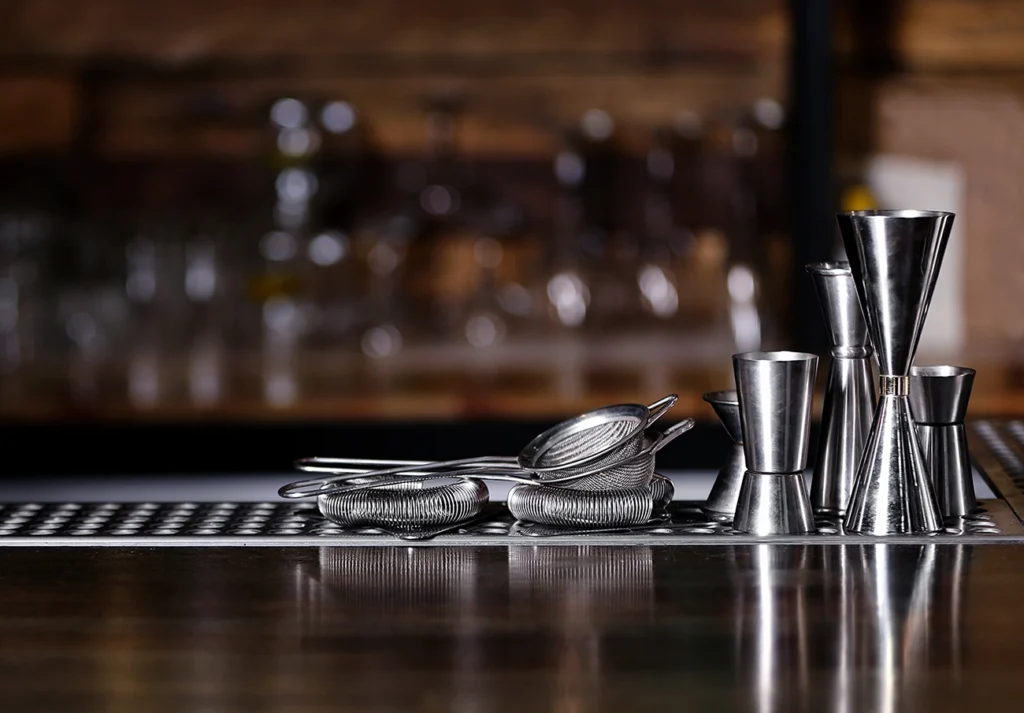
A skilled bartender treats these as decisions, not defaults. Timing is part of the recipe, along with the strain, the choice of strainer, and the moment a citrus peel is expressed over the surface. Precision is the difference between a drink that holds together and one that falls apart after a few sips.
House-Made Elements, Fresh Ingredients, and Thoughtful Sourcing
Craft bars are increasingly being built from scratch. House-made syrups, infused spirits, fermented bases, and in-house bitters give each drink a specificity no off-the-shelf product can match. Sourcing is the quieter half of the work. Where the citrus comes from, which farms supply the produce, and how often the menu shifts with the season all reflect a bar’s point of view.
Why Do Craft Cocktails Taste Different?
A craft cocktail reveals itself slowly. Research on multisensory flavour perception shows that aroma, glassware, presentation, and the order of taste elements all shape how a drink is experienced — often before the first sip is fully registered. The drink begins as an impression, then becomes a structure, then becomes a memory.
Side by side, the contrast is clear:
| Regular Drink | Craft Cocktail | |
| Structure | Usually direct and simple | Built with a clear beginning, middle, and finish |
| Acidity | Often sharp or flat | Layered and balanced against sweetness |
| Sweetness | Can feel heavy or one-note | Measured to support the whole drink |
| Dilution | Often left to chance | Controlled through ice, shaking, or stirring |
| Aroma | Usually secondary | Treated as part of the first impression |
| Finish | Ends quickly or unevenly | Leaves a cleaner, more composed aftertaste |
Flavour Complexity Beyond a Standard Pour
A standard pour usually leans on the base spirit and 1 or 2 supporting notes. A craft cocktail has more shape. The first sip might open with citrus, move into something bitter or herbal, then finish with smoke, florals, spice, or salt. Each element is placed with intention, so the drink reveals itself over time rather than all at once.
Presentation, Glassware, and the Details Most Bars Overlook
Glassware does more than look good. A coupe concentrates aroma. A rocks glass gives weight to large ice. A Nick and Nora keeps a stirred drink cold for longer. The choice should serve the drink, not just the photo.
Clear ice, a sharp garnish, a fragrant peel, and the way the drink is placed down all carry meaning. The best details do not announce themselves. They make the cocktail feel finished.
Consistent Quality in Every Drink
Consistency is the quiet test of a good cocktail programme. The same drink should hold its balance on a Wednesday at 7pm and a Saturday at 11pm. That takes training, tight recipes, and a bar team that treats service with discipline.
Regular drinks drift — the pour changes with the bartender, the dilution shifts with the ice. A craft cocktail holds steady because every step has been measured, tasted, and agreed on.
The difference between reading about craft cocktails and experiencing them is the room itself. Whether the visit is a quiet conversation, a celebration, or something in between, the right space shapes what happens next. Get in touch before you arrive, and the team can shape the visit around what you need.
How KL's Cocktail Bars Are Raising the Standard
KL’s cocktail bars are becoming more confident in how they define quality. The city is not only following global bar trends. It is adapting them through local ingredients, regional spirits, and the way people here actually like to gather.
How Premium Cocktails Are Shaping the City’s Bar Culture
Premium cocktails in KL have changed how people drink. Guests read menus more closely, ask about ingredients, and spend longer with one drink instead of moving quickly through rounds. Prices have risen, but so have expectations. A craft cocktail often carries hours of experimentation behind it. Craft bars are built for slower drinking, with comfortable seating, audible conversation, and music pitched to suit the room rather than fill it. The night belongs to whoever stays.
Sustainability, Storytelling, and Menus with a Point of View
The most considered menus in KL carry a philosophy. Sustainability now sits inside the craft conversation, shaping how bars decide what to use and what to set aside. Some give ingredients a second life through entire menus built around what the main programme would otherwise leave behind, turning byproducts of the creative process into drinks that stand on their own. The thinking is simple. Nothing useful should be wasted.
Storytelling gives the menu its shape. A craft menu is rarely just a list of drinks. It has a position. Themes around region, season, memory, or specific spirits give guests something to follow and a reason to return for what comes next.
Ready to Taste the Difference? Discover Neo Bar in KL
Neo Bar KL is not built around a single idea. It is a space made for what happens between ideas: the slow conversation, the second pour, the moment a drink shifts the room without anyone noticing.
The drinks move across 3 menus, each with its own intention. The Signature menu reads as a conversation with the classics, reinterpreted through regional ingredients like tuak, langkau, kantan, sencha, and umeshu. The Sip-Cycle menu rejuvenates items from the signature list into new drinks, giving ingredients a second life rather than discarding them. The Spirits menu opens the room to whiskies, wines, beers, and small bites for guests who want to settle in slowly.
For drinkers ready to move beyond the standard pour, Neo Bar KL is open to whoever arrives ready to be present — a space for creatives, hospitality enthusiasts, and anyone curious about how this city is learning to gather on its own terms.
Curious to try it for yourself? Make a reservation and settle into the room.